Buying guide
Thinking about a home treadmill? Start with this Lifelong, and these questions
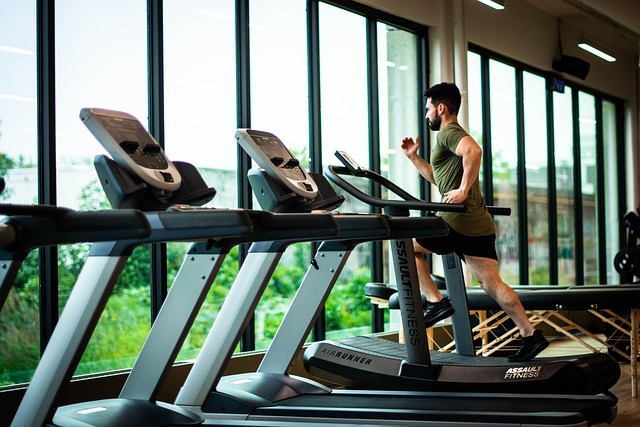
A sensible walking machine for people who want to stop making excuses about the weather. Runners and very tall or heavy users should look at bigger machines.
Daily brisk walks at home, older parents who want safe indoor exercise, people working from home who want to move between calls.
You want to run, you are close to the 110 kg limit, or you live in a small flat with no corner to spare.
Most home treadmills are bought in January and turned into clothes racks by March. That is not the machine's fault. It usually happens because the treadmill did not fit the person's space, routine or goals.
So before we talk about this Lifelong Fit Pro, here are the questions we would ask anyone thinking of buying one.
First: do you want to walk or run?
This decides almost everything.
The Fit Pro is listed with a top speed of 8 km/h. That is a brisk walk or a very gentle jog. It is not a running machine. If you run, or plan to start, you will outgrow it quickly and should look at treadmills with higher top speeds and longer belts.
If walking is your goal, and for most people it should be, 8 km/h is plenty. A comfortable walking pace for many adults sits somewhere between 4 and 6 km/h.
What the listing tells us
- A 3 HP peak DC brushless motor
- Two levels of manual incline
- An 8 km/h top speed
- An LED display for basic stats
- A 110 kg user capacity
- Black finish, sold as cardio equipment for a home gym
Peak power is not everyday power
"3 HP peak" describes a short burst, not what the motor delivers every minute of your walk.
Treadmill makers often quote peak horsepower because it is the bigger number. What matters for a long walk is continuous power, which is usually lower. The listing does not give a continuous figure, so read recent reviews for comments on how the motor copes with longer sessions.
Manual incline
Incline makes walking harder without going faster, which is great for fitness and kind to the knees. "Manual" means you change it by hand, usually before you start, not with a button mid-walk. Two levels is basic, but it is better than none.
The space question nobody measures
Before buying, put masking tape on the floor where the treadmill will go, using the dimensions on the listing. Then:
- Leave space behind it. You do not want a wall right behind the belt.
- Check the ceiling height if you are tall, especially with incline.
- Think about where the power socket is. Extension cords across the floor are a trip hazard.
- Ask whether it folds, and how heavy it is to move.
Noise and neighbours
If you live in a flat, the thud of footsteps travels to the flat below. A treadmill mat helps with both noise and floor protection. Reading recent reviews for the word "noise" will tell you more than any spec sheet.
Delivery, installation and service
This matters more than the motor. Check:
- Whether installation is included, or whether you assemble it yourself
- How service works in your city if something goes wrong
- What the warranty covers, and for how long
A treadmill is a machine with a motor and a belt. Belts need occasional lubrication and adjustment. Knowing who will help you with that is worth checking before you pay.
Our take
For walking at home, the Lifelong Fit Pro covers the basics: a motor, a little incline, a display and a weight limit that suits most adults. It is a walking machine, and if you buy it as one, it can earn its floor space.
If you are a runner, or you are not sure you will use it, start with a few weeks of walking outdoors or at a gym first. The best treadmill is the one you actually step on.
This is an affiliate link. We might earn a commission if you buy, at no extra cost to you. Details